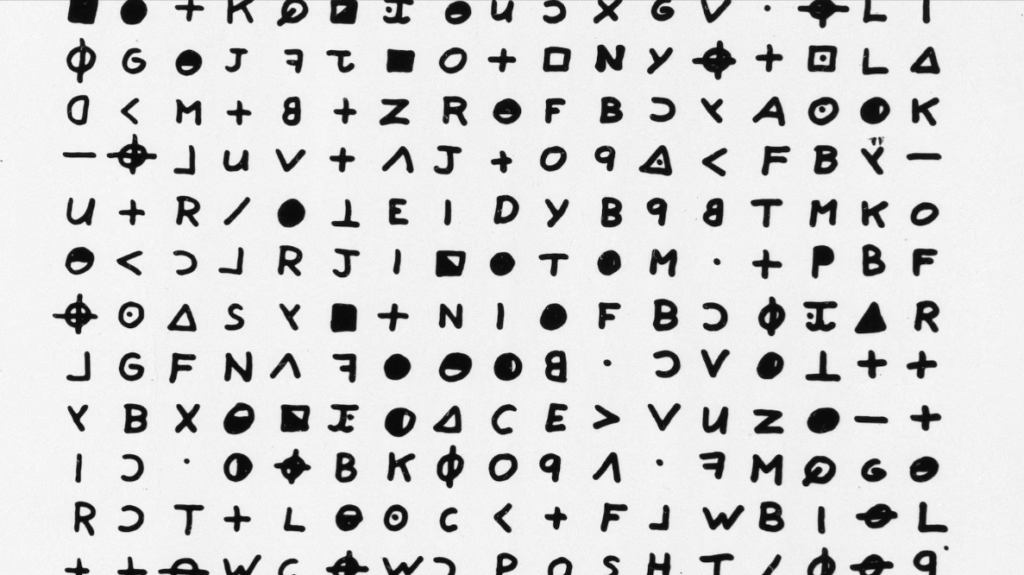
D.B. Cooper: The Man Who Jumped from a Plane with $200,000 and Vanished into Thin Air
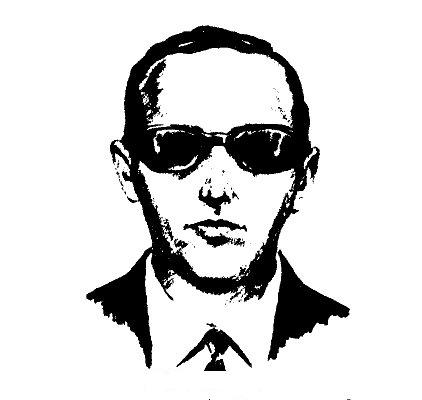
FBI composite sketch of D.B. Cooper, the only unsolved hijacking in American aviation history. Over 50 years later, his identity and fate remain a complete mystery.
On November 24, 1971, a man in a business suit hijacked a Boeing 727, extorted $200,000 in ransom, and parachuted into a thunderstorm over Washington State—never to be seen again. Despite the FBI’s longest-running investigation (45 years), over 800 suspects, and one of the most extensive manhunts in history, D.B. Cooper’s true identity has never been discovered. In 1980, a boy found $5,800 of the ransom money buried on a riverbank. It remains the only physical evidence ever recovered. Did Cooper survive? Did he die in the jump? Is he living anonymously somewhere, or did the Pacific Northwest wilderness swallow him whole? The case that launched a thousand theories remains America’s greatest unsolved mystery.
Case Summary
The day before Thanksgiving 1971, an unassuming man in his mid-40s bought a $20 ticket for Northwest Orient Flight 305 from Portland to Seattle using the name “Dan Cooper.” Shortly after takeoff, he handed a flight attendant a note claiming he had a bomb and demanded $200,000, four parachutes, and a refuel in Seattle. The FBI scrambled to meet his demands while the plane circled for hours. After the 36 passengers were released in Seattle and the plane refueled, Cooper ordered the crew to fly toward Mexico at 10,000 feet and under 200 knots—conditions perfect for a parachute jump. Somewhere over southwest Washington, around 8:00 PM in a raging thunderstorm with sub-zero temperatures and 100+ mph winds, Cooper lowered the rear airstair, strapped $200,000 to his body, and jumped into the darkness. Despite military jets tracking the plane, F-106s searching the skies, 1,000 troops combing the suspected drop zone, and an SR-71 Blackbird photographing the entire flight path, no trace of Cooper was ever found. The FBI investigated over 800 suspects, ruled out DNA on dozens, and spent 45 years chasing leads. In 2016, they officially closed the case unsolved. Cooper’s fate—whether he survived as a criminal mastermind or died in the wilderness—remains one of America’s most enduring mysteries.
November 24, 1971: A Quiet Man Buys a Ticket to Seattle
It was the day before Thanksgiving, and Portland International Airport was bustling with holiday travelers eager to get home for turkey dinners and family gatherings. At approximately 2:50 PM, an unremarkable man approached the Northwest Orient Airlines ticket counter. He wore a dark business suit, a white shirt, a narrow black tie with a clip-on clasp from JC Penney, and carried a briefcase. Notably, his suit jacket didn’t match his pants—an odd detail for someone trying to look professional.
The man asked for a one-way ticket on Flight 305 to Seattle. He paid in cash—$20 for the ticket—and gave his name as “Dan Cooper.” The ticket agent barely glanced at him. There was nothing memorable about this passenger. He appeared to be in his mid-40s, maybe 6 feet tall, with dark hair and a receding hairline. He looked like any other businessman making the short hop to Seattle on a Wednesday afternoon.
What no one knew—not the ticket agent, not the passengers who would board Flight 305, not even the FBI agents who would soon be called in—was that this quiet, nondescript man was about to pull off one of the most audacious crimes in American history, and then disappear without a trace in a way that would baffle investigators for more than half a century.
At 2:50 PM, Dan Cooper boarded Northwest Orient Flight 305. The Boeing 727 was a relatively new aircraft, introduced in 1964, and was popular for short domestic flights. Cooper took seat 18C—an aisle seat in the rear of the cabin. He ordered a bourbon and soda and lit a Raleigh cigarette. Then he waited.
The Hijacking: “I Have a Bomb”
About 10 minutes after takeoff, as Flight 305 climbed toward cruising altitude, Dan Cooper did something that would change everything. He reached into his pocket, pulled out a note, and handed it to Florence Schaffner, one of the flight attendants working the rear cabin.
Schaffner assumed it was a passenger trying to flirt—she’d received plenty of phone numbers from businessmen on flights. She tucked the note in her pocket without reading it and continued her duties. But Cooper leaned forward and quietly said: “Miss, you’d better look at that note. I have a bomb.”
Schaffner’s blood ran cold. She opened the note. In neat, printed handwriting, it read approximately: “I have a bomb in my briefcase. I will use it if necessary. I want you to sit next to me. You are being hijacked.”
Cooper opened his briefcase just wide enough for Schaffner to see inside. She saw what appeared to be eight red cylinders attached to wires and a battery. It looked exactly like what she imagined a bomb would look like. Her training kicked in. She sat down next to Cooper as instructed.
Cooper spoke calmly and politely. He was not agitated. He did not raise his voice. He explained his demands: he wanted $200,000 in cash—specifically in $20 bills, which would weigh about 21 pounds. He wanted four parachutes—two main chutes and two reserve chutes. He wanted the money and parachutes ready when they landed in Seattle. And he wanted the plane to remain in the air until everything was prepared.
Schaffner took the demands to the cockpit. Captain William Scott, First Officer Bill Rataczak, and Flight Engineer H.E. Anderson listened in disbelief. They immediately contacted Seattle air traffic control, who contacted the FBI. Within minutes, the hijacking of Flight 305 became a federal case.
The plane began circling Seattle while the FBI scrambled to meet Cooper’s demands. Another flight attendant, Tina Mucklow, replaced Schaffner at Cooper’s side. Cooper remained calm, smoking his cigarettes, sipping his bourbon and soda. He made small talk with Mucklow, asking where she was from (Minnesota) and commenting that it was a nice place. At one point, he looked out the window and casually remarked, “Looks like Tacoma down there,” revealing a familiarity with the Pacific Northwest geography.
The 36 passengers in the cabin had no idea they were hostages in a hijacking. The captain announced over the intercom that there was a “minor mechanical issue” and they needed to circle to burn off fuel. Most passengers were annoyed about the delay but not alarmed. They had no idea that a man with a bomb was sitting just rows away, negotiating a $200,000 ransom.

The actual plane ticket D.B. Cooper purchased under the name “Dan Cooper” for $20 cash on November 24, 1971. This innocuous piece of paper is one of the few physical pieces of evidence in the case.
The Ransom: Gathering $200,000 and Four Parachutes
On the ground, chaos reigned. The FBI had to gather $200,000 in twenty-dollar bills and find four parachutes—all within a few hours. It was the day before Thanksgiving, and many businesses were closed or about to close for the holiday.
A Seattle police detective raced to Seattle First National Bank’s downtown branch and explained the situation. Bank employees worked quickly to assemble $10,000 bundles—10,000 twenty-dollar bills in all. As part of standard procedure to help recover money in case of bank robbery, the serial numbers of all the bills were recorded on microfiche. This would later prove crucial for identifying any recovered bills.
The parachutes proved more complicated. Cooper had specifically requested civilian parachutes, not military ones. He wanted ones with user-operated ripcords. The Air Force offered military chutes from McChord Air Force Base, but Cooper rejected them—suggesting he knew the difference and had experience with parachutes, or at least knew enough to be specific.
Seattle police contacted a local skydiving school owner and convinced him to open his facility and sell them parachutes. In the scramble, they acquired four parachutes: two main chutes and two reserve chutes. Unbeknownst to anyone at the time, one of the reserve parachutes had been sewn shut—it was a training parachute used for instruction only and would never open. Cooper would later take this non-functional parachute, a detail that has fueled endless debate about whether he was truly an experienced jumper or a novice who got lucky.
By 5:24 PM, after more than three hours of circling, the ground team radioed Captain Scott: “We have the money and the parachutes. You’re cleared to land.”
The Exchange: $200,000 and Freedom for the Passengers
At 5:39 PM, Flight 305 touched down at Seattle-Tacoma International Airport. Cooper’s instructions were clear: the plane was to be refueled, the money and parachutes delivered, and the 36 passengers released. Only the flight crew was to remain aboard.
Cooper allowed the authorities to park a set of mobile stairs at the front door of the plane. A ground crew member brought the heavy canvas bag containing $200,000 and four parachutes aboard. Cooper inspected everything carefully. He counted some of the bills and examined the parachutes. He seemed satisfied.
As promised, Cooper released all 36 passengers. They disembarked, confused and irritated about the long delay but still unaware that they had been hostages in a hijacking. It wasn’t until they reached the terminal and saw FBI agents and police everywhere that they realized something serious had happened.
The flight attendants, except for Tina Mucklow, were also allowed to leave. Cooper wanted Mucklow to stay—he needed her to help him with the rear stairs later. Captain Scott, First Officer Rataczak, Flight Engineer Anderson, and Mucklow remained aboard. Cooper had four hostages now, down from 42.
While the plane refueled, Cooper went into the lavatory with his briefcase and the canvas bag. He emerged with the briefcase and a nylon laundry-type bag he’d apparently brought folded inside his briefcase. He’d transferred the money into this bag, making it easier to carry. He was preparing for his jump.
The Jump: Into the Dark, Stormy Night
At 7:40 PM, Flight 305 took off from Seattle. Cooper provided very specific instructions to the cockpit crew: Fly toward Mexico City with a refueling stop in Reno, Nevada. Keep the landing gear down. Keep the wing flaps at 15 degrees. Fly at minimum airspeed—no faster than 200 knots. And most importantly, maintain an altitude of 10,000 feet or below.
These instructions were not random. An experienced pilot or skydiver would recognize that Cooper was creating perfect conditions for a parachute jump. The low altitude meant less time falling through freezing air. The slow speed made the exit safer. The configuration would make the plane more stable. Cooper knew exactly what he was doing—or at least, he knew enough to create jump conditions.
The weather was terrible. A Pacific storm was pounding the region with rain, wind, and near-zero visibility. Temperatures at 10,000 feet were well below freezing. Wind speeds exceeded 100 mph. It was, by any measure, a suicidal time to jump from a plane.
Shortly after takeoff, Cooper sent Tina Mucklow to the cockpit and told her to pull the curtain closed behind her. She did as instructed. Cooper was now alone in the cabin with $200,000, four parachutes, and his briefcase “bomb.”
The flight crew had been scrambling to alert military aircraft to track Flight 305, hoping they could spot Cooper when he jumped. Two F-106 fighter jets were launched, but these high-speed interceptors struggled to fly slowly enough to keep pace with the lumbering 727. Eventually, two T-33 trainer jets from the Air National Guard took over tracking duties, but in the storm and darkness, visual contact was nearly impossible.
At approximately 8:13 PM, about 45 minutes after takeoff from Seattle, Flight Engineer Anderson noticed something on his instruments. A light indicated that the rear airstair had been activated. There was a brief, sudden change in cabin pressure. Then the tail of the plane dipped upward slightly before stabilizing.
The crew had no visual contact with the rear of the plane, but they knew what had happened: Cooper had lowered the stairs and jumped.

Some of the $200,000 in twenty-dollar bills given to D.B. Cooper. The FBI meticulously recorded all serial numbers. Nine years later, $5,800 of this money would wash up on a riverbank—the only evidence ever recovered.
The Immediate Aftermath: An Empty Cabin in Reno
Captain Scott continued flying toward Reno as instructed, though he suspected Cooper was no longer aboard. At 10:15 PM, Flight 305 landed at Reno-Tahoe International Airport. Police and FBI agents surrounded the plane with weapons drawn, unsure if Cooper was still inside, possibly holding Tina Mucklow hostage in the rear cabin.
Scott tried the intercom. No response. He carefully opened the cockpit door and looked back. The cabin was empty. Mucklow emerged from the cockpit and walked through the plane. Cooper was gone. The money was gone. Three of the four parachutes were gone. The briefcase with the “bomb” was gone.
All that remained was a clip-on tie—the narrow black JC Penney tie Cooper had been wearing. He’d removed it before jumping. There were also eight cigarette butts with Raleigh filter tips. And one parachute—the reserve chute that was sewn shut and couldn’t open.
FBI agents immediately processed the plane as a crime scene. They collected fingerprints, the cigarette butts, the tie, and any other evidence they could find. But the most important questions remained unanswered: Where exactly had Cooper jumped? And did he survive?
The Manhunt: 1,000 Troops and an SR-71 Spy Plane
Within hours of the hijacking, the FBI launched one of the most extensive manhunts in American history. The investigation was codenamed “NORJAK” for “Northwest Hijacking.” It would ultimately become one of the FBI’s longest-running cases, lasting 45 years.
The immediate challenge was determining where Cooper had jumped. By analyzing when the airstair light activated, changes in cabin pressure, and the plane’s speed and position, investigators triangulated a probable jump zone near Ariel, Washington—a small town about 25 miles north of Portland in the heavily forested Cascade foothills. The suspected drop zone covered approximately 28 square miles of rugged, densely wooded terrain.
On November 25—Thanksgiving Day—more than 1,000 U.S. Army troops, FBI agents, and local law enforcement personnel began combing the area. They searched on foot, in vehicles, and in helicopters. The weather remained awful—cold, rainy, and foggy. Visibility was terrible. If Cooper had survived the jump, he would be somewhere in this wilderness, possibly injured, definitely cold and wet.
Days of searching turned up nothing. No parachute. No money. No body. No footprints. No sign that anyone had crashed through the forest canopy. It was as if Cooper had simply vanished.
The FBI brought in cutting-edge technology. In early December 1971, FBI Director J. Edgar Hoover personally approved the use of an SR-71 Blackbird—the Air Force’s supersonic spy plane capable of flying at 85,000 feet and three times the speed of sound—to photograph the entire flight path at low altitude. The SR-71 made five passes over the suspected drop zone, taking high-resolution photos. But weather and cloud cover hindered the effort, and nothing was found.
The FBI also conducted an experiment. They flew the same Boeing 727 aircraft that had been hijacked, configured it exactly as it had been that night, and pushed a 200-pound weighted sled out the rear airstair to see if they could reproduce the tail dip and pressure change. They succeeded, confirming that someone—or something—had definitely gone out the back of the plane around 8:13 PM.
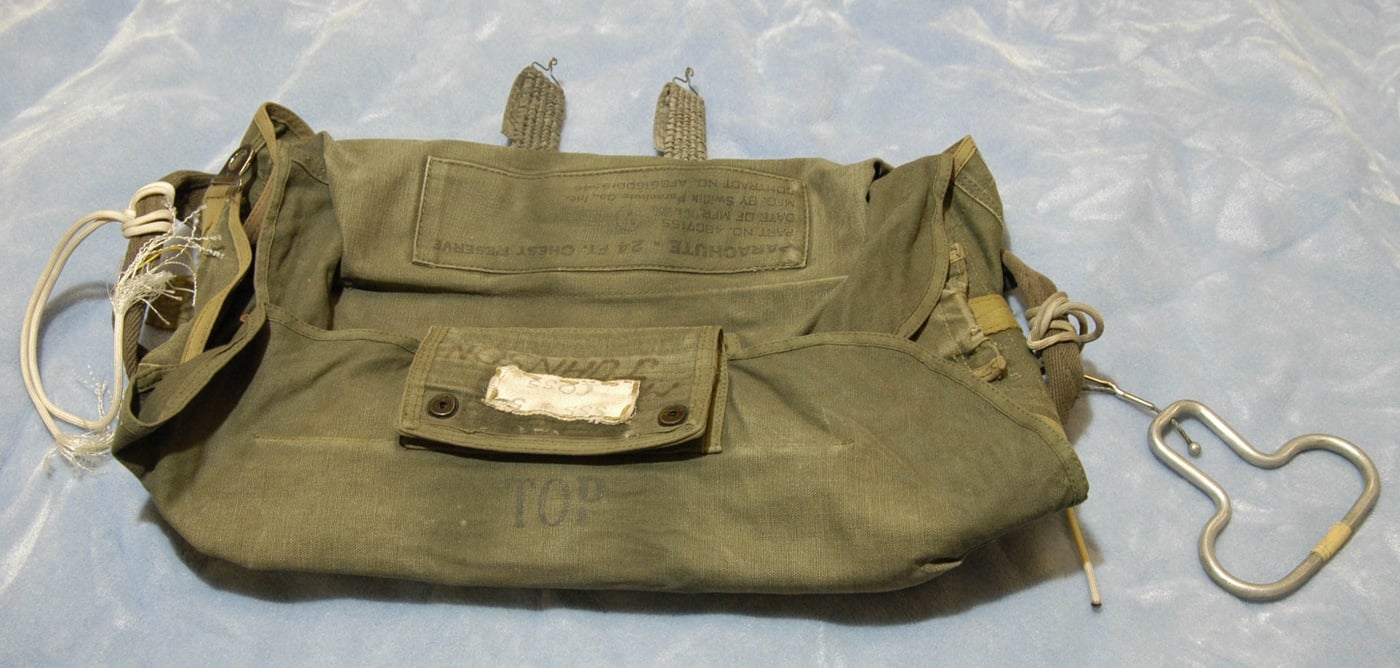
The canvas bag that contained one of the parachutes given to D.B. Cooper. He demanded four parachutes—two main and two reserve—suggesting he might take a hostage with him. One reserve chute was sewn shut and couldn’t open.
The Investigation: 800 Suspects and No Answers
The FBI approached the Cooper case like any other criminal investigation. They developed physical evidence, interviewed witnesses, tracked leads, and built a list of suspects. By the five-year anniversary of the hijacking, the FBI had looked at over 800 potential suspects. Most were eliminated through alibi verification, physical description mismatches, or simply being too old, too young, too tall, or too short.
The FBI created composite sketches based on descriptions from flight attendants Florence Schaffner and Tina Mucklow, who had spent the most time with Cooper. The sketches show a man in his mid-40s with dark hair, receding hairline, and average features. It’s the face of an everyman—which made identification nearly impossible.
Some suspects stood out more than others. One prime candidate was Richard Floyd McCoy Jr., a Vietnam veteran and experienced skydiver who hijacked a United Airlines flight in April 1972—just five months after Cooper’s hijacking. McCoy’s hijacking was eerily similar: he used a fake bomb, demanded money and parachutes, and bailed out over rural Utah. Unlike Cooper, McCoy was caught, convicted, and sentenced to 45 years in prison.
Many investigators believed McCoy and Cooper were the same person. But there were problems with this theory. The two flight attendants who spent hours with Cooper said McCoy didn’t look like him. McCoy was only 29 at the time of the Cooper hijacking—younger than witnesses estimated. And McCoy’s family provided an alibi placing him in North Carolina on Thanksgiving 1971, though this alibi was disputed.
McCoy escaped from prison in 1974 and was killed in a shootout with FBI agents three months later. His death left the question unanswered: was he D.B. Cooper? Most investigators now believe he wasn’t, but some amateur sleuths remain convinced. In November 2024, McCoy’s children came forward claiming their father was Cooper and that they had found a parachute in an outbuilding on family property that might have been used in the hijacking.
Other suspects over the years included:
Kenneth Christiansen – A Northwest Orient purser and former paratrooper who supposedly bought a house with cash shortly after the hijacking. His brother believed he was Cooper, but the FBI found no evidence.
Robert Rackstraw – A Vietnam veteran, pilot, and con artist with extensive skydiving experience. He was investigated by the FBI and had ties to covert operations. He died in 2019 maintaining he wasn’t Cooper.
Duane Weber – On his deathbed in 1995, Weber allegedly whispered to his wife, “I am Dan Cooper.” She later found Cooper-related items in his belongings. The FBI investigated but found no conclusive evidence.
Lynn Doyle Cooper (L.D. Cooper) – An Oklahoma man who allegedly confessed to relatives that he was the hijacker. His niece came forward in 2011, but investigators found no proof.
Despite decades of investigation, tips, confessions, and theories, no one has ever been definitively identified as D.B. Cooper.
February 10, 1980: A Boy Finds Buried Treasure
For nine years after the hijacking, not a single piece of physical evidence from Cooper’s jump was found. Then, on February 10, 1980, an 8-year-old boy named Brian Ingram was camping with his family on the north bank of the Columbia River near Vancouver, Washington—about 20 miles southwest of the suspected drop zone and 5 miles downstream from Portland.
Brian was digging in the sand to smooth out a spot for a campfire when his hands hit something. He pulled out three deteriorated bundles of twenty-dollar bills, still bound together by rubber bands that were barely holding. The bills were dirty, torn, and worn, but readable.
Brian’s family took the money to authorities. FBI agents compared the serial numbers to the microfiche records from the 1971 ransom payment. It was a match. Brian had found $5,800 of D.B. Cooper’s ransom money—290 twenty-dollar bills in all.
The discovery reignited the investigation and spawned a whole new set of theories. How did the money get to Tina Bar (as the location became known)? The bundles were only a few inches below the sand surface. They weren’t scattered—they were together, still bound. The rubber bands were degraded but intact, suggesting the bundles hadn’t been in the water long or had been buried.
Did Cooper land near the Columbia River and bury some money? Did he drop the money during his descent and the bundles somehow stayed together until they washed downstream? Did Cooper survive, hide the money, and never return for it? Or did his body—with the money still attached—wash down a tributary into the Columbia, where the money eventually separated and came to rest at Tina Bar?
In 2020, scientists analyzed diatoms (microscopic algae) found on the bills. Their findings suggested the money entered the water sometime between March and May—several months after the November hijacking—and had not been submerged continuously since 1971. This contradicted theories that Cooper landed in the Columbia River and sank immediately with the money. Instead, it suggested the money was buried or stored dry for several months before entering the water, which then deposited it at Tina Bar.
The three bundles Ingram found total $5,800. The remaining $194,200 has never been found. And it’s unlikely it ever will be—if Cooper survived and spent it carefully over decades, small twenty-dollar bills from 1971 would be virtually impossible to trace today.
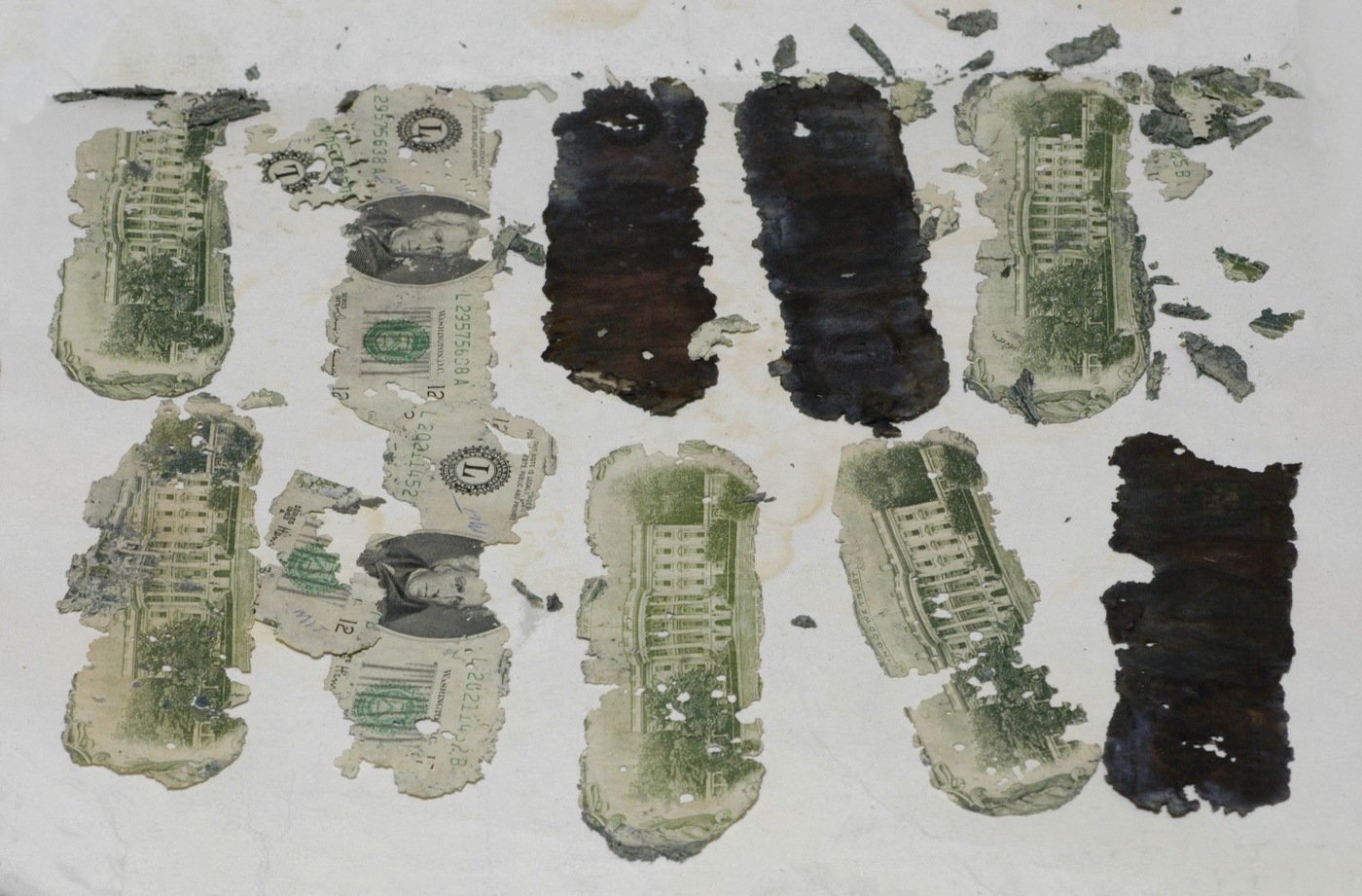
Some of the deteriorated twenty-dollar bills found by 8-year-old Brian Ingram in 1980 on the shores of the Columbia River. This remains the only physical evidence from Cooper’s jump ever recovered.
The Theories: Did Cooper Survive?
The central mystery of the D.B. Cooper case is simple: did he survive? After more than 50 years, there are compelling arguments on both sides.
Theory 1: Cooper Died in the Jump
Many investigators believe Cooper almost certainly died. The evidence supporting this theory is substantial. Cooper jumped wearing a business suit, dress shoes, and a thin raincoat—completely inappropriate for a parachute landing in rugged, forested terrain. The temperature at 10,000 feet was well below zero, and he was jumping into winds exceeding 100 mph. He would have been instantly disoriented by the cold and wind.
Cooper took one of the main parachutes, which was a non-steerable military-style chute. He couldn’t control where he landed. He was jumping at night with zero visibility into heavily forested wilderness. Even experienced skydivers rarely jump in such conditions. Cooper also took the sewn-shut reserve parachute, suggesting he may not have fully understood what he had.
If Cooper survived the jump, he would have landed in a remote area with $200,000 strapped to his body, wearing business attire, in freezing temperatures, in a thunderstorm, at night. He would need to find shelter, hike out of the wilderness, and do all this without leaving a trace. It seems nearly impossible.
The fact that only $5,800 of the money has ever surfaced also supports this theory. If Cooper survived, why wouldn’t he spend more of it? Why wouldn’t any more bills turn up over 50+ years?
Theory 2: Cooper Survived
On the other hand, there’s no body. No parachute has been found (though one candidate surfaced in 2024 from Richard McCoy’s family). No crash site. No bones. Despite extensive searches, SR-71 photography, and decades of hikers and hunters in the area, nothing has been found.
Cooper demonstrated knowledge that suggests experience. He knew to demand civilian parachutes with manual ripcords. He gave specific instructions for the plane’s configuration that were perfect for a jump. He knew how to attach the money to himself. He chose to jump over southwest Washington, not the more populated Puget Sound area. These suggest planning and knowledge.
Some experts believe a moderately experienced jumper could have survived. One parachutist estimated that someone with just six or seven practice jumps could pull it off, especially if they were military-trained and accustomed to harsh conditions.
The diatom evidence on the money suggests it wasn’t continuously submerged but was buried or stored dry for months. This could mean Cooper survived long enough to bury some money or that his body wasn’t immediately in the river.
If Cooper survived, he would have had to be incredibly disciplined. He’d need to never tell anyone, never confess, never spend large amounts of the money visibly, and take his secret to the grave. It’s possible—just extremely unlikely.
Who was D.B. Cooper? His true identity has never been discovered despite 800+ suspects investigated.
Did he survive the jump? No body, parachute, or evidence of death has ever been found.
Where did he land? The suspected drop zone is near Ariel, WA, but his actual landing site remains unknown.
How did money get to Tina Bar? Only $5,800 has been found; where is the other $194,200?
Was he military-trained? His knowledge suggests experience, but his mistakes suggest otherwise.
Was the bomb real? Flight attendants saw wires and red cylinders, but it may have been flares wrapped in red paper.
2016: The FBI Closes the Case
On July 13, 2016—nearly 45 years after the hijacking—the FBI officially announced it was suspending active investigation of the D.B. Cooper case. The Seattle Field Office stated that resources would be “redirected to other priorities” but that if specific physical evidence emerged, they would examine it.
The decision was controversial. Some saw it as the FBI giving up. Others saw it as pragmatic—after 45 years, thousands of interviews, 800+ suspects, and millions of dollars spent, the case was simply unsolvable with available evidence.
The FBI’s final assessment: Cooper probably didn’t survive. The jump was too dangerous, his clothing too inadequate, the conditions too harsh. But without a body or definitive evidence, they couldn’t close the case as solved. So it remains officially open but inactive—the only unsolved skyjacking in American aviation history.
The Legacy: An American Folk Hero
Over five decades, D.B. Cooper has transcended his crime to become an American folk hero—a mythic figure who beat the system and got away with it. He’s been the subject of dozens of books, films, documentaries, and TV episodes. There’s a D.B. Cooper Festival held annually in Ariel, Washington. Bars throughout the Pacific Northwest have “Cooper-themed” cocktails. He’s been referenced in everything from “Prison Break” to “Mad Men” to “Loki.”
Why does Cooper captivate us? Perhaps it’s the audacity—a man in a suit hijacking a plane and jumping into a storm with $200,000. Perhaps it’s the mystery—the ultimate puzzle with no solution. Perhaps it’s because, unlike most criminals, Cooper hurt no one. He was polite to the crew, released all the passengers safely, and simply vanished. In an era of increasingly sophisticated surveillance and forensics, he represents something impossible: the perfect getaway.
Or perhaps we’re fascinated because the question remains tantalizingly unanswered: did he make it? Is D.B. Cooper still out there, an old man with a wild secret? Or does his skeleton lie somewhere in the Cascade foothills, still clutching a rotted parachute and moldy bills?
We may never know. And maybe that’s the point. Some mysteries aren’t meant to be solved.
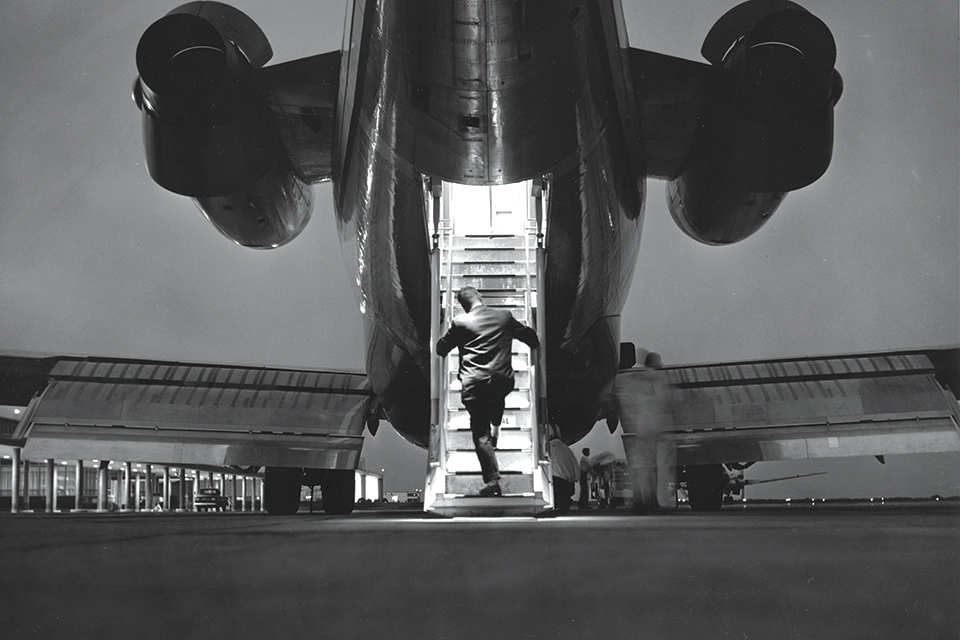
The rear airstair of a Boeing 727—the exit Cooper used to jump into the night. The aircraft’s unique design allowed the stairs to be lowered mid-flight, a feature airline designers never anticipated would be exploited.
December 2025: The Mystery Endures
As of December 2025, D.B. Cooper’s identity and fate remain unknown. If he survived, he would be in his late 90s or early 100s. If he died in the jump, his remains are somewhere in the Pacific Northwest wilderness, possibly never to be found.
Theories continue to emerge. In November 2024, the children of Richard Floyd McCoy came forward with a parachute they claim may have been used in the Cooper hijacking, prompting renewed speculation. Amateur sleuths continue to investigate online, debating every detail of the case in forums and Reddit threads.
The case has influenced aviation security forever. After Cooper’s hijacking, airlines modified Boeing 727s to prevent the rear airstair from being opened in flight—a modification called the “Cooper Vane.” Metal detectors became standard at airports. Hijackings, once common, became far more difficult.
But the mystery remains. In motel rooms across America, travelers occasionally try to pay with worn twenty-dollar bills that trigger a quick thought: Could this be Cooper money? On hiking trails in the Cascades, backpackers sometimes wonder if they’ll stumble upon a rotted parachute. And somewhere, maybe in an old man’s drawer, there might be a faded plane ticket stub with the name “Dan Cooper” on it.
Or maybe there’s nothing. Maybe Cooper’s body dissolved into the forest floor decades ago. Maybe the money is scattered across the Pacific Northwest, a dollar here, a dollar there, so dispersed it will never be found. Maybe the perfect crime wasn’t so perfect after all—just a desperate man who made a suicidal jump and paid for it with his life.
We’ll probably never know. And that’s what makes D.B. Cooper’s story so enduring. In a world of surveillance cameras, DNA databases, and digital footprints, he represents a time when someone could simply disappear. Whether dead or alive, D.B. Cooper vanished into thin air on November 24, 1971—and 54 years later, he’s still gone.
DISCLAIMER: All information is based on FBI case files, official investigation documents, and credible sources including FBI.gov, History.com, Britannica, and news archives. The D.B. Cooper case remains officially unsolved. The FBI suspended active investigation in 2016 but stated they would examine any new physical evidence. This article presents established facts and widely discussed theories but makes no claims about Cooper’s identity or fate beyond what official sources have confirmed.