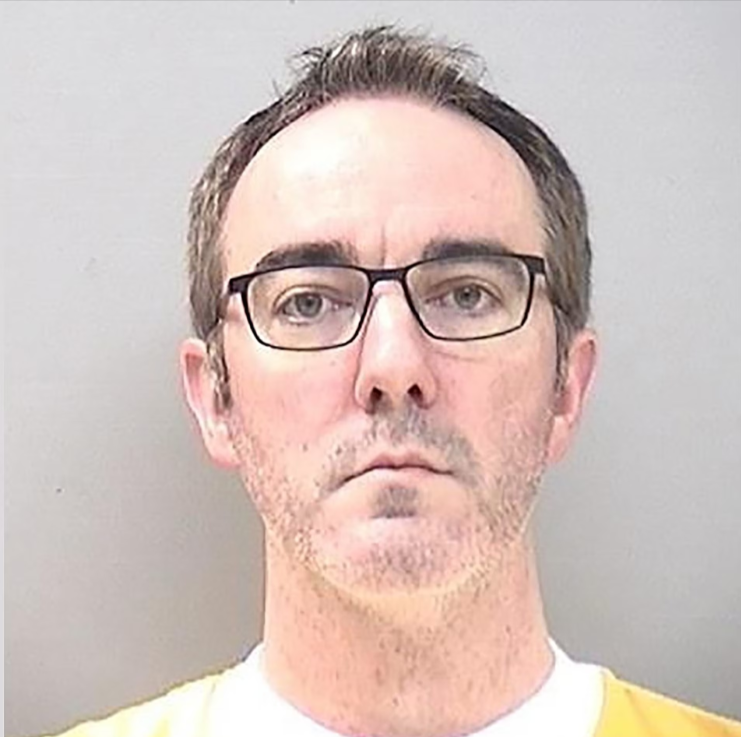
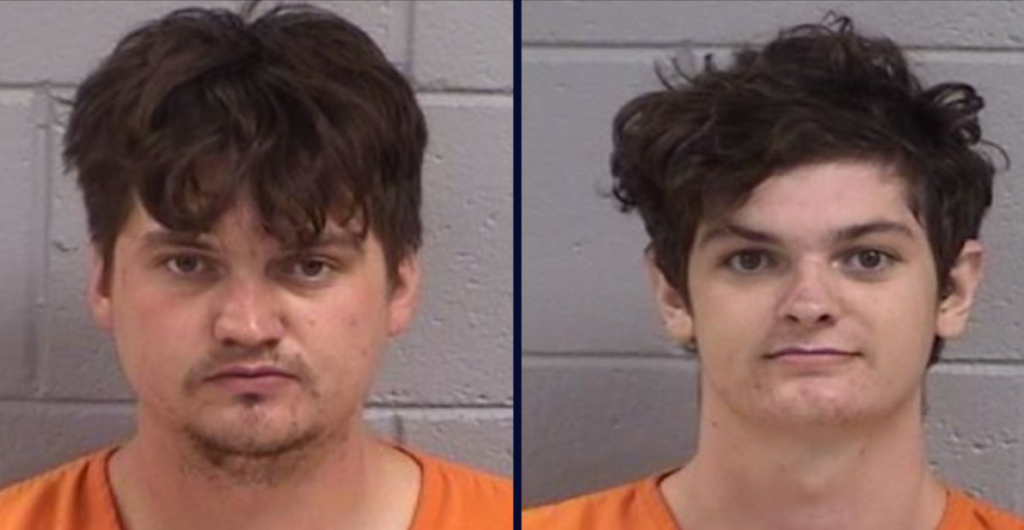
Brown University Massacre: How a Reddit Post Solved a Campus Shooting That Claimed Three Lives

Students hold a vigil at Brown University on December 15, 2025, two days after a gunman killed two students and wounded nine others during final exams. The tragedy would expand to include a third victim before the shooter was found dead.
Case Summary
On December 13, 2025, during an economics exam review session at Brown University’s engineering building, 48-year-old Claudio Manuel Neves Valente opened fire on students, killing two and wounding nine. The victims were Ella Cook, 19, a beloved sophomore from Alabama and vice president of the College Republicans, and Mukhammad Aziz Umurzokov, 18, a freshman who dreamed of becoming a neurosurgeon. Two days later, Valente murdered MIT professor Nuno Loureiro in his Brookline home—a man he had attended university with in Portugal decades earlier. A Reddit user’s tip about a suspicious rental car “blew the case wide open,” leading investigators to identify Valente, who was found dead by suicide in a New Hampshire storage unit on December 18. The tragedy occurred exactly 13 years after the Sandy Hook shooting and prompted President Trump to suspend the green card lottery program through which Valente had obtained permanent U.S. residency. The case exposed how a failed PhD student’s grievances can fester for decades before exploding into violence, and how social media sleuthing can sometimes accomplish what traditional investigation cannot.
December 13, 2025: Final Exams Turn Deadly
PROVIDENCE, RHODE ISLAND – It was supposed to be a routine review session. About 40 students had gathered in Room 166 of Brown University’s Barus and Holley building on Saturday afternoon, December 13, 2025, preparing for their Principles of Economics final exam. The stadium-style classroom was one many of them knew well—a large lecture hall in the engineering and physics building where they’d spent countless hours that semester.
Just after 4:00 PM, as the review session was wrapping up and some students were beginning to leave while others lingered with questions, shots rang out. A man dressed in black with a face mask burst into the classroom and began firing a 9mm handgun indiscriminately at the students. Chaos erupted. Students dove under desks, scrambled for exits, and pressed themselves against walls as gunfire echoed through the building.
The shooting lasted only minutes, but the carnage was devastating. Two students lay dead: 19-year-old Ella Cook, a sophomore from Mountain Brook, Alabama, and 18-year-old Mukhammad Aziz Umurzokov, a freshman from Virginia who had just started his first year at the Ivy League school. Nine other students were wounded, several critically. The gunman fled before police could arrive, disappearing into the December afternoon.
Within moments, Brown’s campus locked down. Frantic students sheltered in place, exchanging desperate text messages with friends and family. Those in Barus and Holley building remained trapped, uncertain if the shooter was still inside. Campus police swarmed the area, but the suspect was gone. It was the 13th anniversary of the Sandy Hook Elementary School shooting—a grim coincidence that would not be lost on the nation.

The Barus and Holley engineering and physics building at Brown University where the shooting occurred. The gunman specifically targeted this building where he had taken classes more than 20 years earlier.
The Victims: Two Bright Futures Extinguished
Ella Cobbs Cook was born on July 18, 2006, in Birmingham, Alabama, the oldest of three children in a deeply religious family. She grew up in Mountain Brook, an affluent suburb known for its sense of community and strong schools. From an early age, Ella was described by those who knew her as possessing “a heart as big as the sun.” She taught Sunday school, baby-sat neighborhood children, and was deeply involved in her church, the Cathedral Church of the Advent in Birmingham.
At Brown, Ella was a sophomore studying French and mathematics-economics. She was a member of Alpha Chi Omega sorority and served as vice president of the Brown University College Republicans. Her friends described her not as a political crusader but as someone with a generous spirit who made time for everyone. She hosted “carpet time” in her dorm room—informal gatherings where friends would sprawl on her white rug to chat, do homework, or simply be together.
“Ella was not a large person in physique but her heart was as large as the sun,” her family wrote in her obituary. She loved children and believed her highest calling was to become a mother, though she was still figuring out the rest of her future. She played piano, loved to dance, enjoyed the outdoors, and had a “persistent courage in following both heart and conscience.”
Her friend Theo Coben, whom she met at an ice cream social their freshman year, remembered her as “very prim and proper—a Southern belle.” Despite their differences—he was a liberal, Jewish prep school student from the Northeast; she was a conservative, Christian public school graduate from Alabama—they became close friends, gossiping in French in the dining hall and going to parties together.
When Ella didn’t respond to messages after the shooting and her phone location showed she was still in Barus and Holley, her friends began to fear the worst. Their fears were confirmed the next day when Cathedral Church of the Advent announced during Sunday service that Ella Cook was among those killed.

Ella Cook, 19, a Brown University sophomore from Alabama, was known for her “bold, brave, and kind heart.” She was vice president of the College Republicans and deeply involved in her church community.
Mukhammad Aziz Umurzokov was born in Uzbekistan and moved to the United States with his family, becoming a naturalized U.S. citizen. At 18, he was just beginning his first semester at Brown, studying biochemistry and neuroscience with dreams of becoming a neurosurgeon. His aspiration was deeply personal—when he was 10 years old, he had undergone an eight-hour brain surgery for a neurological condition. He later wore a back brace due to scoliosis. These experiences inspired him to help others facing similar medical challenges.
“He was very kind, smart,” his aunt Karina Gabit told NBC News. “He attended talented and gifted schools. He wanted to be a neurosurgeon because when he was 10 he had a very serious eight-hours-long brain surgery.” She added: “We hoped that he would have had a bright future… His mom called me in the middle of the night.”
On the day he was killed, Mukhammad was helping a friend during the economics review session—the kind of generous act that characterized who he was. His sister Samira Umurzokova would later tell reporters that her brother was always eager to help others, embodying the compassion that would have made him an excellent doctor.
The Uzbekistan Foreign Affairs Ministry issued a statement calling his death “a heavy loss for all of us.” Virginia Governor-elect Abigail Spanberger, noting that Mukhammad had just graduated from Midlothian High School in Virginia, wrote: “I am heartbroken to learn that Mukhammad Aziz Umurzokov is among the victims of the horrific act of violence at Brown University. Adam and I are praying for his family and all those impacted by this tragedy.”

Mukhammad Aziz Umurzokov, 18, was a Brown freshman from Virginia who dreamed of becoming a neurosurgeon. He was helping a friend during the exam review session when he was killed.
The Manhunt: A Person of Interest Released
In the hours after the shooting, Providence police, FBI agents, and Rhode Island State Police launched an intensive manhunt. They released grainy surveillance images and video of a “person of interest”—a man in dark clothing seen in the area around the time of the shooting. They offered a $50,000 reward for information leading to an arrest.
On December 15, police announced they had detained a person of interest. For a brief moment, students and the Brown community felt relief. But hours later, that relief turned to renewed fear when authorities announced the person had been released. After questioning and DNA analysis, he was definitively ruled out as the shooter. The actual gunman was still at large.
“We know this is a source of tremendous fear and anxiety across our community right now,” Brown University stated. The campus remained in lockdown. Students were told to remain sheltered in place. Many fled campus entirely, going home for winter break early rather than staying in Providence while an active shooter remained at large.
Meanwhile, the investigation was moving slowly. Detectives reviewed hours of surveillance footage, interviewed witnesses, and analyzed forensic evidence from the scene. But the suspect seemed to have vanished. Until Tuesday night, when a tip came in from an unlikely source that would break the case wide open.
The Reddit Sleuth: How an Anonymous Tip Solved Everything
On December 17, four days after the shooting, a Brown University alumnus—identified only as “John” in police documents—was near campus when he encountered a man who matched the description of the person of interest. Something about the man’s behavior struck John as suspicious. The man seemed out of place, nervous, and was near a gray Nissan Sentra.
John did something that would prove crucial: he took note of the vehicle’s details and posted on Reddit, suggesting police should look into “possibly a rental” gray Nissan near Brown. He then walked up to Providence police officers on patrol and shared what he’d seen in person.
That tip, Rhode Island Attorney General Peter Neronha would later say, “blew this case right open.” Investigators immediately began tracing rental car records. They discovered that a gray Nissan Sentra had been rented from an Alamo Rent-a-Car location in Boston on December 1 by Claudio Manuel Neves Valente, a 48-year-old Portuguese national.
Using Flock Safety license plate reading technology and surveillance footage, investigators tracked the vehicle’s movements. The car had been “observed intermittently” between December 1 and December 12 in the area around Brown University. On December 13, the day of the shooting, the vehicle was captured on camera near Barus and Holley building. After the shooting, it traveled back to Massachusetts.
As detectives dug deeper, they made a shocking discovery: Valente wasn’t just connected to the Brown shooting. He was also the suspect in another murder that had occurred two days after Brown—the shooting death of an MIT professor in Brookline, Massachusetts.
The Second Victim: MIT Professor Nuno Loureiro
On Monday, December 15, just two days after the Brown shooting, police in Brookline, Massachusetts—about 50 miles from Providence—responded to a shooting at a residential building. When they arrived at the home of 47-year-old Nuno F.G. Loureiro, they found the acclaimed MIT physics professor shot in his apartment. He was rushed to a hospital but died from his injuries on Tuesday.
Loureiro was a star in his field. Born in Torres Novas, a small city in central Portugal, he had known from an early age that he wanted to be a scientist—”even in the early years of primary school when ‘everyone else wanted to be a policeman or a fireman,'” he once told MIT News. He studied physics at Instituto Superior Técnico in Lisbon, earned his doctorate in London, and joined MIT in 2016.
At MIT, Loureiro was a Professor in the departments of Physics and Nuclear Science and Engineering and served as director of MIT’s Plasma Science and Fusion Center. His research helped “illuminate the physics occurring at the center of fusion vacuum chambers and at the edges of the universe,” according to MIT. When he was chosen to lead the Plasma Science and Fusion Center, Loureiro said: “Fusion energy will change the course of human history, and it is both humbling and exciting to play a key role in enabling that change.”
MIT President Sally Kornbluth described Loureiro as “an imaginative scholar, gifted administrator and enthusiastic mentor,” known for his character, passion, and “articulate, compassionate manner.” His predecessor called his loss “immeasurable,” saying he “shone a bright light as a mentor, friend, teacher, colleague and leader.”
Initially, investigators didn’t connect Loureiro’s murder to the Brown shooting—they seemed like separate incidents. But as they traced Valente’s movements through surveillance footage and cellphone data, a chilling pattern emerged. On December 14, the day after the Brown shooting, Valente’s Google accounts pinged near Boston University. On December 15 around 8:30 PM, Loureiro was shot. At 8:42 PM, surveillance cameras captured Valente’s rental car traveling west on Brighton Avenue in Boston, about one mile from Loureiro’s home.
More importantly, investigators discovered a connection between the two men: both had attended Instituto Superior Técnico in Lisbon, Portugal, studying physics around the same time in the early 2000s. Bruno Gonçalves, a professor there, told reporters that Valente “was the top student in the course.” The two men were once peers, brilliant aspiring scientists at Portugal’s most prestigious engineering school. Twenty-five years later, one was an internationally respected researcher making breakthroughs in fusion energy. The other was a failed PhD dropout who would murder him.
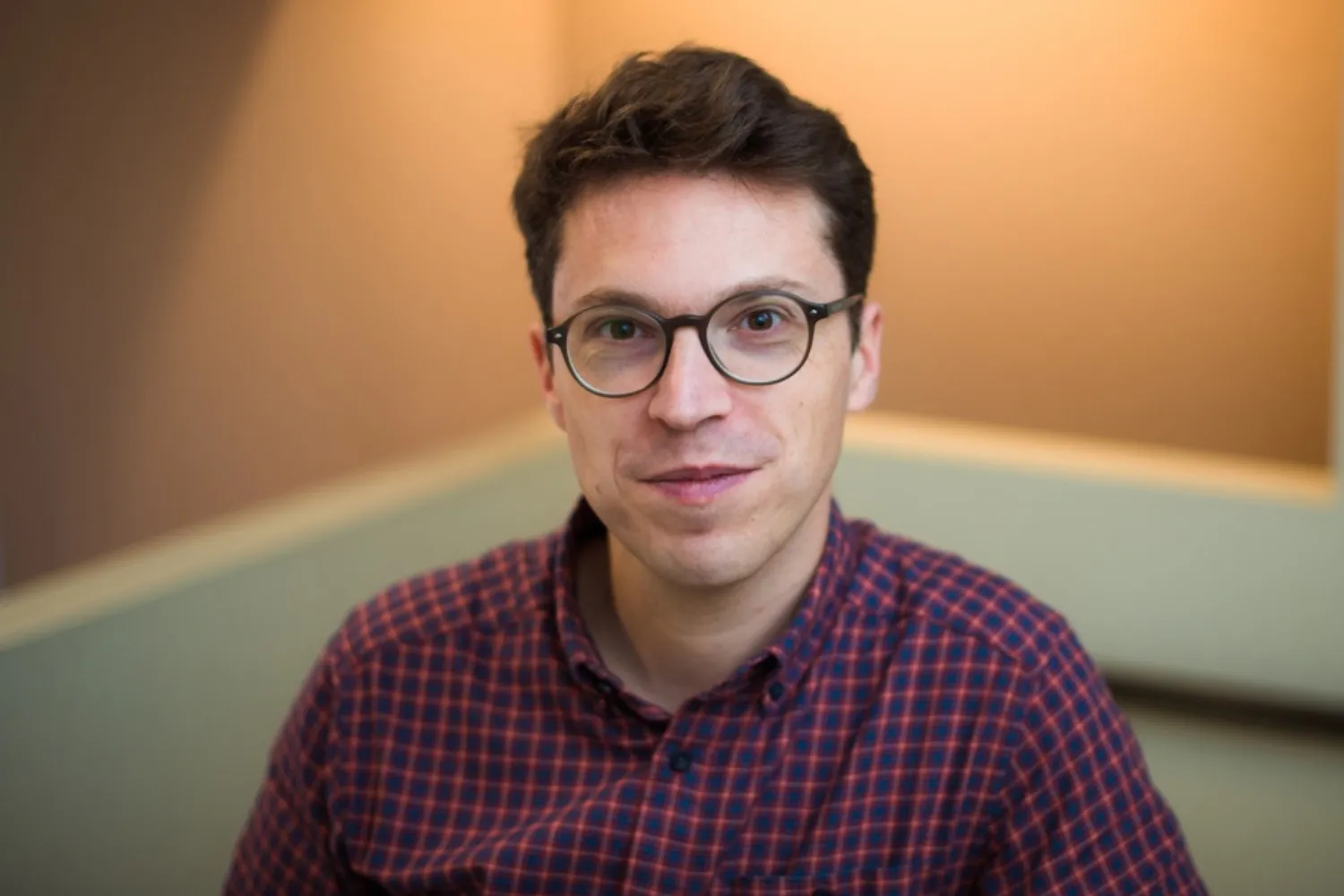
MIT Professor Nuno Loureiro, 47, was a world-renowned physicist and director of MIT’s Plasma Science and Fusion Center. He was shot and killed in his Brookline home on December 15, 2025.
The Suspect: A Failed PhD Student’s Decades of Resentment
Claudio Manuel Neves Valente was born in Torres Novas, Portugal, the same small city where Nuno Loureiro had grown up. He was brilliant—”the top student” in physics at Instituto Superior Técnico according to his professors. In 2000, he was admitted to Brown University’s prestigious PhD program in physics, joining the graduate school that fall.
But something went wrong. In April 2001, after just two semesters, Valente took a leave of absence from Brown. He never returned to complete his degree. On July 31, 2003, he formally withdrew. Brown University President Christina Paxson later revealed that during his time at Brown, Valente was “only enrolled in physics classes” and that “the majority of physics classes at Brown have always been held at the Barus and Holley classrooms and labs”—the same building where he would commit his massacre more than 20 years later.
After leaving Brown, Valente’s life took a dramatic downward turn while his former classmate Nuno Loureiro’s career flourished. While Loureiro completed his PhD, joined MIT, and became an internationally respected researcher with groundbreaking work in plasma physics, Valente became… what? Records show he was living in Miami in recent years. He had obtained permanent U.S. residency through the Diversity Visa Lottery Program (commonly called the “green card lottery”).
On a 2017 visa form, when asked to list his educational institution, Valente wrote “Brown University” and listed the Barus and Holley building as the address. Under “degree or diploma,” he wrote: “None-Dropout.” That two-word phrase speaks volumes about his identity in the years since leaving Brown—defined not by what he had achieved, but by what he had failed to complete.
Nobody knows exactly what grievances Valente carried or what specific events triggered his violence. Brown University President Paxson said the school was “not aware of any grievances, disputes, or any other problems that Neves Valente had with the school,” though she noted the records were “very, very old” from the early 2000s.
What’s clear is that Valente meticulously planned his attacks. He rented the car on December 1—nearly two weeks before the Brown shooting. He conducted surveillance, changing the vehicle’s license plates multiple times to avoid detection. He knew exactly where to go at Brown—the building where he had once studied, targeting a classroom full of students during finals, a time when his own academic dreams had likely died two decades earlier.
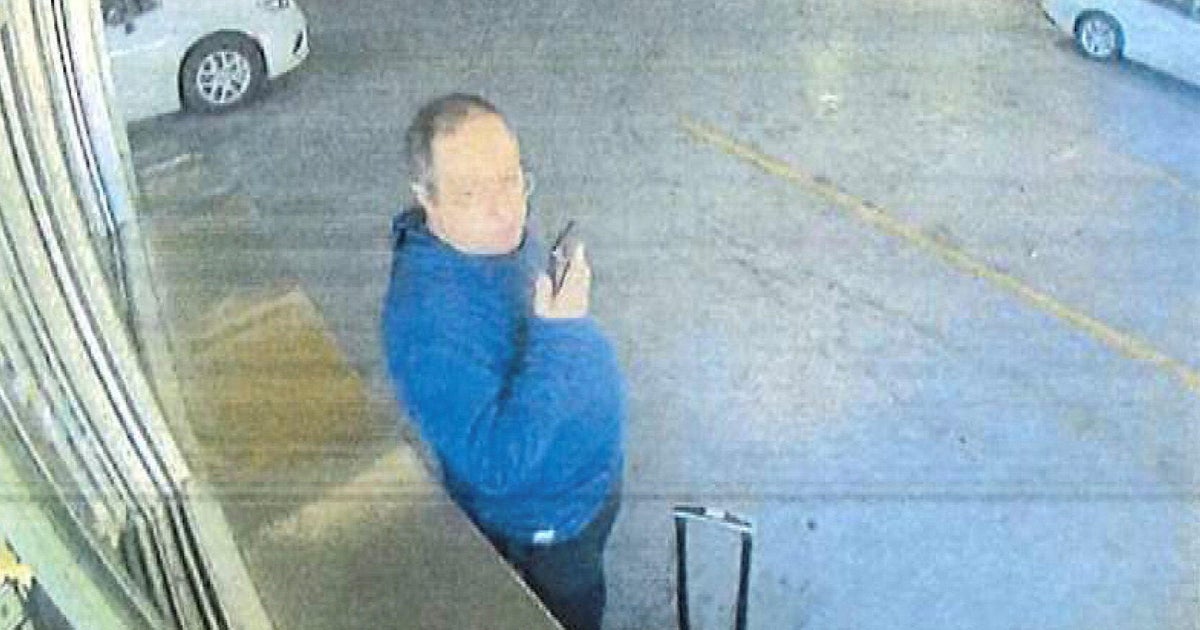
Surveillance footage from December 1, 2025, shows Claudio Manuel Neves Valente, 48, renting a Nissan Sentra at an Alamo location in Boston. He used this vehicle to stalk Brown University for nearly two weeks before the shooting.
Found Dead: The End in a Storage Unit
On Thursday evening, December 18, law enforcement officials tracked Valente to a storage facility in Salem, New Hampshire. Using rental records and surveillance footage, they had determined he had rented a storage unit there. When authorities breached the unit around 8:00 PM, they found Valente dead from a self-inflicted gunshot wound to the head. He was wearing the same clothes he had been seen in on surveillance footage right after murdering Professor Loureiro.
Next to his body were two 9mm firearms and a satchel. An autopsy conducted the next day by the New Hampshire Office of the Chief Medical Examiner determined Valente had died on Tuesday, December 16—meaning he had been dead for two days before authorities found him. He had killed himself approximately one hour after entering the storage facility, which surveillance footage showed occurred just an hour after cameras captured him near Loureiro’s apartment building in Brookline.
The FBI analysis of ballistics evidence revealed that although both shootings involved 9mm weapons, they appeared to have been committed with different firearms—suggesting Valente had access to multiple weapons and switched between them.
“We are 100% confident that this is our target, and that this case is closed from a perspective of pursuing people involved,” Rhode Island Attorney General Peter Neronha announced at a press conference Thursday night. “There’s no longer a threat to the public,” the U.S. Attorney’s Office in Boston confirmed.
FBI Special-Agent-in-Charge Ted Docks noted that even though the suspect was found dead, “our work is not done.” Investigators still needed to search for answers about motive—why he targeted those specific students, why he killed Professor Loureiro, why he acted now after 24 years of apparent dormancy.
Tom Greco, special agent in charge of the ATF Boston Field Division, called Valente “a highly dangerous individual capable of extreme violence.” But the question that haunted everyone was: Why? What happened in those two semesters at Brown that set him on this path? What grievances festered for more than two decades until they exploded into this violence?
The Motive: Questions Without Answers
As of December 2025, investigators have not determined a clear motive for Valente’s rampage. No manifesto has been found. No social media posts explain his actions. The case raises more questions than it answers.
“I don’t think we have any idea why now, or why—why Brown? Why these students? Why this classroom? That is really unknown to us,” Attorney General Neronha said at the press conference. “It may become clear, I hope that it does, but it hasn’t as of right now.”
The connection to Professor Loureiro suggests professional jealousy may have played a role. Here were two men who started at the same place—brilliant physics students at a prestigious Portuguese university. One went on to extraordinary success, leading groundbreaking research in fusion energy at MIT. The other failed to complete his PhD, left Brown after one year, and spent decades as a “dropout.”
The fact that Valente returned to the specific building where he had taken classes 24 years earlier, carrying out his attack during finals—a time associated with academic achievement and failure—suggests his grievances were tied to his time at Brown. But why wait so long? Why act now, in December 2025?
Some have speculated that Loureiro’s recent appointment as director of MIT’s Plasma Science and Fusion Center—a prestigious position announced in 2024—may have been a trigger. Seeing his former classmate reach such heights while he remained a failed dropout could have reignited long-dormant resentments.
Others point to the randomness of the victims at Brown. Ella Cook and Mukhammad Umurzokov had no connection to Valente. They weren’t even born when he was a student there. This suggests his rage wasn’t personal toward them—they were simply proxies, representing the institution that he believed had failed him or that he had failed at.
The psychological profile is troubling: a brilliant mind that couldn’t complete what it started, watching former peers achieve success, carrying resentment for decades, and finally lashing out with meticulously planned violence. It’s a pattern seen in other cases of violence by failed academics—individuals whose sense of identity becomes so tied to academic achievement that failure becomes unbearable, and resentment toward successful peers becomes an obsession.
The Political Fallout: Trump Suspends Green Card Lottery
On December 19, President Donald Trump responded to the Brown University shooting by signing an executive order suspending the Diversity Visa Lottery Program, the system through which Valente had obtained his U.S. permanent residency.
The Diversity Visa Lottery, established in 1990, makes up to 55,000 immigrant visas available annually to people from countries with historically low rates of immigration to the United States. Recipients are selected randomly through a computer drawing. Trump had long criticized the program, calling it a threat to national security.
“The recent tragedy at Brown University, perpetrated by an individual who entered our country through the visa lottery program, underscores the urgent need to reform our immigration system,” Trump said in a statement. “We cannot allow random chance to determine who enters America. Every person who comes to this country must be properly vetted.”
The suspension drew immediate criticism from immigration advocates who argued it was a knee-jerk reaction that scapegoated immigrants for the actions of one individual. They pointed out that Valente had been in the United States legally for years and that the vast majority of lottery recipients never commit crimes.
“This is exploiting a tragedy to push a political agenda,” said Maria Rodriguez, director of the American Immigration Council. “Claudio Valente’s actions were horrific, but they don’t represent the millions of immigrants who have come to America through the diversity visa program and contributed positively to our society.”
Others supported the suspension, arguing that a program that admits people based on random selection rather than merit or family ties was inherently flawed. “Why should American immigration policy be decided by a lottery?” asked Senator Tom Cotton. “We should be selecting immigrants based on what they can contribute to America, not on luck.”
The debate over the diversity visa program had been ongoing for years, but the Brown shooting gave new ammunition to those seeking its elimination. Whether Trump’s suspension would lead to permanent changes in immigration policy remained to be seen, but the tragedy had undeniably become part of the broader national conversation about who should be allowed to immigrate to the United States and how those decisions should be made.
The Anniversary: Sandy Hook’s Shadow
The Brown University shooting occurred on December 13, 2025—exactly 13 years to the day after the Sandy Hook Elementary School shooting in Newtown, Connecticut. On December 13, 2012, 20-year-old Adam Lanza had killed 20 first-graders and six educators at Sandy Hook, one of the deadliest school shootings in American history.
The coincidence was not lost on the nation. Social media exploded with comments about the grim anniversary. Survivors of Sandy Hook and other school shootings expressed their anguish that 13 years after that tragedy, students were still being gunned down in classrooms.
“Thirteen years ago today, our nation watched in horror as 20 beautiful children and 6 heroic educators were murdered at Sandy Hook Elementary School,” tweeted gun control advocate Shannon Watts. “Today, students at Brown University experienced their own nightmare. How many more? How many more anniversaries of tragedy do we need before we act?”
The Brown shooting reignited debates about gun control, campus safety, and how to prevent mass shootings. Some called for stricter gun laws. Others argued for increased security at universities. Still others pointed to mental health and the need to identify and help people before they turn to violence.
What was undeniable was that despite 13 years of awareness, activism, and attempts at reform following Sandy Hook, students were still being killed in American classrooms. The promise of “never again” felt hollow to many as they watched another campus shooting unfold, another community devastated, another set of families destroyed.
The Investigation Continues: Unanswered Questions
While the threat to public safety ended with Valente’s death, the investigation into his motives and planning continues. Authorities are reviewing his online activity, financial records, communications, and any writings he may have left behind. They’re interviewing people who knew him, tracing his movements in the weeks before the shootings, and trying to understand what transformed a brilliant physics student into a killer.
Several key questions remain: Did Valente have any specific grievance against Brown University beyond his failure to complete his PhD? Did something happen in late 2024 or early 2025 that triggered his decision to act after 24 years? Were there warning signs that were missed? Did anyone know what he was planning?
The FBI is also investigating whether Valente may have been stalking or surveilling other targets. The fact that he changed his rental car’s license plates multiple times suggests sophisticated planning. Law enforcement wants to ensure there weren’t other potential victims he was considering before settling on Brown and Professor Loureiro.
Authorities are particularly interested in understanding the two-day gap between the Brown shooting on December 13 and the murder of Professor Loureiro on December 15. What was Valente doing during those 48 hours? Was he planning more attacks? Surveillance footage shows he returned to the Boston area after the Brown shooting—did he spend those days stalking Loureiro, or had that killing been planned all along?
The case has also raised questions about university security and threat assessment. Should Brown have had better records about former students who left under negative circumstances? Could Valente’s surveillance of the campus in the two weeks before the shooting have been detected and stopped? How do universities balance openness and accessibility with security?
The Community Grieves
Brown University canceled all remaining fall semester exams and allowed students to leave campus early for winter break. Many took the option, fleeing a campus that no longer felt safe. Those who remained attended vigils, left flowers at makeshift memorials outside Barus and Holley building, and tried to process the incomprehensible.
Ivy League schools across the country held solidarity vigils. At Harvard, Yale, Columbia, Cornell, Dartmouth, Penn, and Princeton, students gathered to mourn Ella Cook and Mukhammad Umurzokov and to express support for the Brown community. It was a reminder that an attack on one Ivy League campus felt like an attack on all of them—a violation of the sense of safety that should exist in academic institutions.
In Mountain Brook, Alabama, Ella Cook’s hometown rallied around her family. Cathedral Church of the Advent, where Ella had been a devoted parishioner, became a gathering place for mourning and remembrance. A funeral service celebrating Ella’s life was scheduled for December 22. Alabama Governor Kay Ivey ordered flags flown at half-staff through December 19 in Ella’s memory.
“As all of Alabama wraps our arms around Ella’s family in prayer, I also join in mourning her loss,” Governor Ivey said. Vice President JD Vance wrote on social media: “It takes special courage to lead an organization of conservatives on a left wing campus, and I am very sorry our country has lost one of its bright young stars.”
In Virginia, Mukhammad’s community mourned the loss of a young man who had overcome so much and had so much potential. A GoFundMe set up by his family noted that he “had big dreams of becoming a neurosurgeon and helping people.” The U.S. Ambassador to Uzbekistan, Jonathan Henick, extended condolences, calling Mukhammad’s death tragic.
At MIT, the loss of Professor Loureiro sent shockwaves through the physics community. A memorial service was planned for January. The Plasma Science and Fusion Center he had led will continue its work, but his absence will be felt by students and colleagues who admired his brilliance and compassion.

Students and community members leave flowers and tributes at a memorial outside the Barus and Holley building at Brown University. The makeshift shrine grew throughout the week as the community mourned.
The Lessons: What This Case Teaches Us
The Brown University shooting and murder of Professor Loureiro offer several troubling lessons about violence, resentment, and public safety in America.
First, grievances can fester for decades. Valente’s apparent resentment about his failure at Brown persisted for 24 years before exploding into violence. This suggests that early intervention and mental health support for struggling students could potentially prevent future tragedies. Universities need better systems for staying connected with students who leave under difficult circumstances and for identifying those who might pose future threats.
Second, the power of crowdsourced investigation cannot be underestimated. A Reddit post and an alert citizen cracked this case when traditional investigation methods were moving slowly. However, this also raises concerns about vigilantism and the potential for online sleuths to falsely accuse innocent people, as happened with the person of interest who was detained and later released.
Third, the targeting of an academic building during finals speaks to the symbolic nature of many mass shootings. Valente didn’t just want to kill people—he wanted to attack the institution and the concept of academic achievement that had eluded him. Understanding the symbolic motivations behind mass violence may help in threat assessment and prevention.
Fourth, the case highlights challenges in campus security. How do you protect open university campuses where people come and go freely? Brown couldn’t have known that a former student from 24 years ago harbored homicidal resentment. The balance between maintaining an open academic environment and protecting students is increasingly difficult to achieve.
Finally, the case demonstrates how mass shootings ripple through communities and the nation. The Brown shooting affected not just the victims and their families, but fellow students, the Brown community, the Ivy League, the town of Mountain Brook, the Uzbek-American community, MIT’s physics department, and millions of Americans who watched the news in horror. Three lives were taken, but the harm extends far beyond those three individuals.
Moving Forward: A Campus Forever Changed
Brown University will never be the same. The Barus and Holley building, once just another academic building where students studied physics and engineering, is now the site of one of the worst campus shootings in recent American history. Students will walk past it knowing what happened there. Some will avoid it entirely. The university is considering how to appropriately memorialize Ella Cook and Mukhammad Umurzokov while allowing the campus to heal.
University President Christina Paxson announced that Brown would provide extensive counseling services and would review campus security procedures. She also said the university would work with law enforcement to understand how Valente was able to access the campus and whether anything could have been done to prevent the attack.
For the students who survived the shooting, recovery will be a long process. Many witnessed horrific violence. Some were wounded. All will carry the psychological scars of that December afternoon when they gathered for an economics review and a gunman opened fire.
The nine students who were wounded face long recoveries, both physical and emotional. Their identities have not been publicly released, but reports indicate several remain hospitalized with serious injuries. Their lives are forever altered by a man they didn’t know, for reasons they couldn’t have predicted, in a place where they should have been safe.
Ella Cook’s family will celebrate Christmas without their daughter, sister, and friend. They will never see her graduate, never attend her wedding, never meet the children she dreamed of having. Her obituary noted that she “carried a kind of personal magic within her”—a magic that has been extinguished from the world.
Mukhammad Umurzokov’s family will mourn the loss of a son who overcame significant medical challenges and had finally reached his dream of studying at an Ivy League school, only to have his life and potential stolen in his first semester. The neurosurgeon he would have become will never exist. The patients he would have saved will never be saved.
Professor Loureiro’s family, colleagues, and students will continue his work in fusion energy, but they will do so without his brilliance, his leadership, and his compassionate mentorship. The breakthrough he might have achieved will now be left to others.
And somewhere in the records at Brown University, Claudio Manuel Neves Valente’s file remains: Admitted fall 2000. Leave of absence April 2001. Formally withdrawn July 31, 2003. Degree or diploma: None-Dropout. A footnote in university records that became a tragedy that shook the nation.
December 2025: Where the Case Stands
As of late December 2025, the criminal investigation is closed. The shooter is dead. The Brown University campus has returned to its winter break quiet. Students will return in January to a changed campus, to counseling services, and to the difficult process of moving forward after trauma.
Funerals have been held. Ella Cook was laid to rest after a service at Cathedral Church of the Advent in Birmingham on December 22. Mukhammad Umurzokov’s family held a memorial service where loved ones remembered his kindness, intelligence, and determination to become a neurosurgeon. Professor Loureiro’s memorial service is scheduled for January, where colleagues will remember his contributions to science and his impact as a mentor.
The nine wounded students continue their recovery. Their names have been kept private, but Brown University has confirmed they are receiving medical care and support. Some have physical injuries that will require ongoing treatment. All have psychological trauma that will require years to process.
The Reddit user who provided the crucial tip has been hailed as a hero by law enforcement. “If not for that tip, this case might have remained unsolved for much longer,” Attorney General Neronha said. The unnamed individual’s willingness to notice something suspicious and report it demonstrates the important role citizens can play in public safety—though investigators also caution against the dangers of vigilantism and false accusations.
President Trump’s suspension of the diversity visa lottery program remains in effect as of December 2025. Legal challenges are expected, and Congress will likely debate whether to make the suspension permanent or to reinstate the program. The Brown shooting has become part of the broader immigration debate, though many argue Valente’s actions should not be used to paint all visa lottery recipients as threats.
And the questions remain: Why did Claudio Valente do this? What specific grievances drove him to murder three people, two of whom were teenagers who had nothing to do with his failure 24 years earlier? Will investigators ever find answers, or will his motives die with him in that storage unit in New Hampshire?
What’s certain is that three bright lights have been extinguished from the world. Ella Cook, Mukhammad Aziz Umurzokov, and Nuno F.G. Loureiro are gone. Their families, friends, colleagues, and communities are left to grieve and to search for meaning in a senseless tragedy. And another American campus joins the growing list of places where ordinary days turned into scenes of unimaginable horror.
If you or someone you know is struggling with thoughts of violence or suicide:
National Suicide Prevention Lifeline: 988
Crisis Text Line: Text HOME to 741741
For Students in Crisis:
Brown University Counseling: (401) 863-3476 (available 24/7)
National Campus Safety Hotline: 1-800-NCS-SAFE
For Victims of Violence:
National Center for Victims of Crime: (855) 4-VICTIM
Victim Connect Resource Center: victimconnect.org
DISCLAIMER: All information presented in this article is based on publicly available reports from law enforcement agencies, official statements from Brown University and MIT, court documents, and credible news sources including NBC News, CBS News, ABC News, The Boston Globe, NPR, and other verified outlets. The investigation is ongoing as of December 2025. Crime Recap makes no independent claims beyond established facts from official sources. For our complete legal disclaimer, please visit our Legal Disclaimer page.